XGIMI AURA 3 Max vs AWOL LuxVision: 4K 120Hz Compared
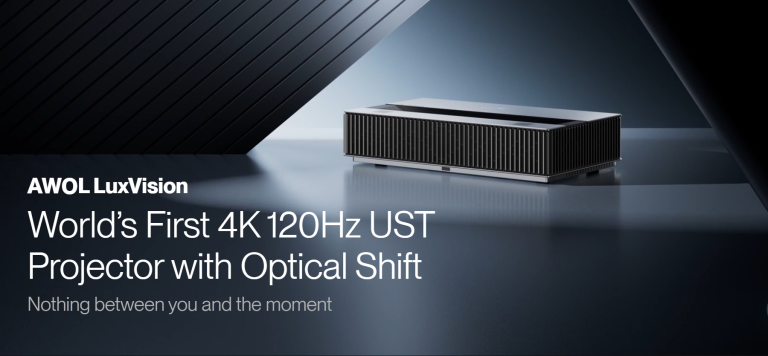
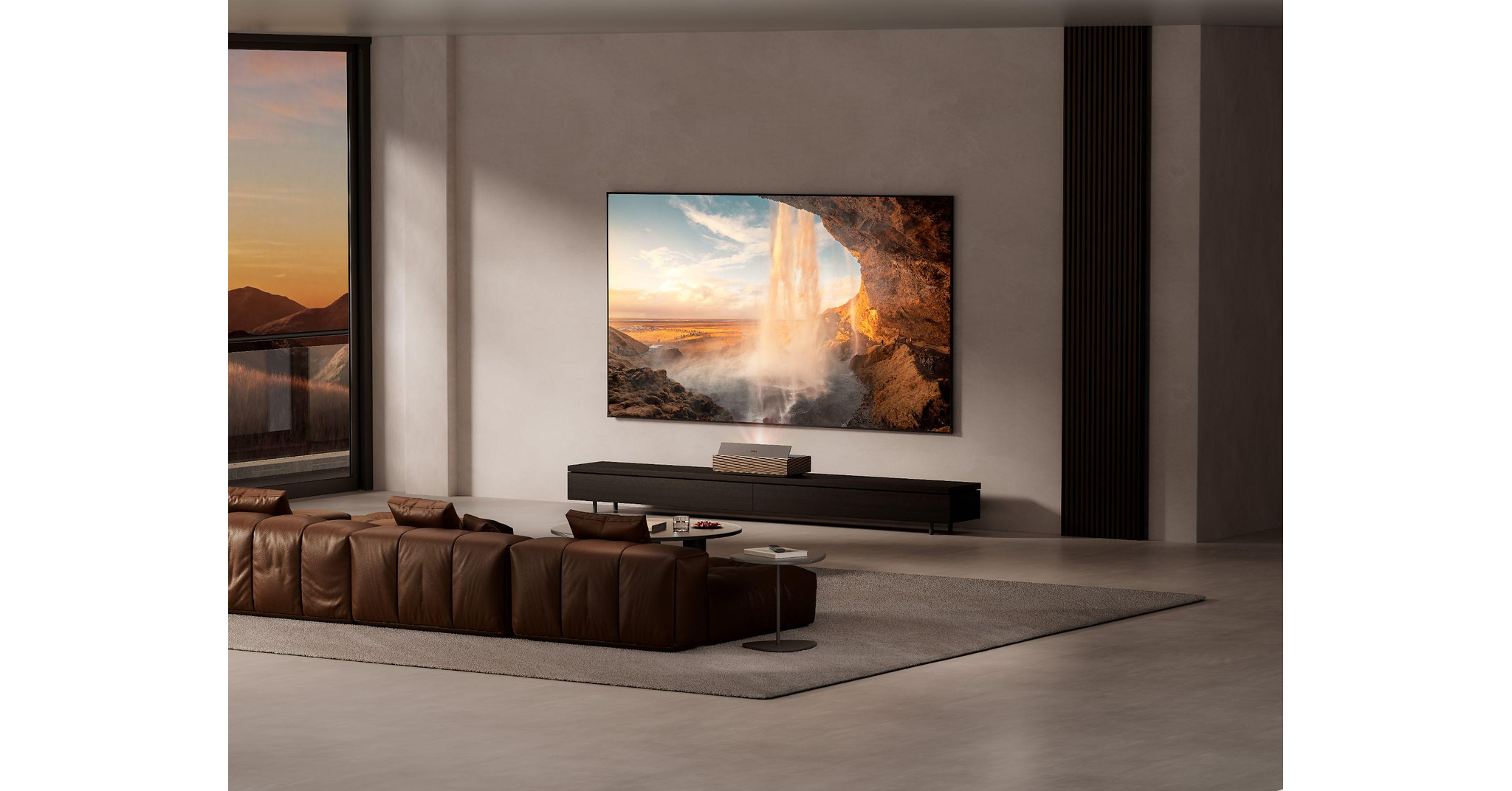
Two “world’s first” claims landed within days of each other at IFA Berlin 2026, and both are about the exact same spec: native 4K resolution at a full 120Hz refresh rate on an ultra-short-throw (UST) projector. XGIMI’s AURA 3 Max got there first with a September 1 announcement; AWOL Vision followed on September 3 with LuxVision, its new flagship above the Aetherion line. Both are genuinely impressive machines, and both are chasing the same core promise — but they land in very different places on price, brightness, and who they’re actually built for.
Here’s a direct, spec-by-spec comparison to help you figure out which one (if either) is worth waiting for.
Quick Answer
If price matters, the AURA 3 Max is the clear pick — it launches at roughly a third of LuxVision’s cost with a very similar core feature set. If you want the brightest image and the most flexible installation on the market, LuxVision’s Optical Shift and 6,000-lumen output justify its premium for buyers who can afford it. Neither is a bad choice; they’re just built for different budgets.
Side-by-Side Specs
| Spec | XGIMI AURA 3 Max | AWOL Vision LuxVision |
|---|---|---|
| Light source | RGB Triple Laser | RGB Triple Laser |
| Brightness | Up to 5,700 ISO lumens | 6,000 ISO lumens |
| Resolution / refresh | Native 4K at 120Hz | Native 4K at 120Hz |
| Native contrast | Up to 8,000:1 (Dynamic Dual Iris) | Not disclosed (7-level Dynamic Iris + EBL processing) |
| Throw ratio | 0.163:1 | 0.18:1 |
| Max screen size | Up to 200 inches | Up to 200 inches |
| Signature feature | Dynamic Dual Iris contrast system | Optical Shift (true optical vertical repositioning) |
| Color gamut | 110% BT.2020 | 110% Rec.2020 |
| Gaming | VRR, ALLM, FreeSync Premium, claimed 1ms lag | VRR, ALLM, Dolby Vision Gaming, claimed 1ms lag |
| HDR support | Dolby Vision, HDR10+, HDR10, HLG, IMAX Enhanced | Dolby Vision, IMAX Enhanced, Filmmaker Mode |
| Audio | 80W Harman Kardon, Dolby Atmos | Not yet disclosed |
| Smart platform | Google TV | Not yet disclosed |
| HDMI | 3 ports (2x HDMI 2.1) | 3x HDMI 2.1 + DisplayPort, 4-channel Multiview |
| Price | $2,199–$2,399 (Kickstarter pricing) | $5,999 MSRP |
| Availability | Pre-order now, Kickstarter Oct. 20, 2026 | Launching ~October 2026 |
Where AURA 3 Max Wins
- Price. At roughly $2,200–$2,400, the AURA 3 Max costs well under half of LuxVision’s $5,999 MSRP — for buyers who want native 4K/120Hz UST projection without a flagship price tag, this isn’t close.
- Confirmed audio. The 80W Harman Kardon system with Dolby Atmos is a genuinely strong built-in speaker setup; LuxVision hasn’t disclosed its audio hardware yet.
- Confirmed smart platform. Google TV is built in and ready to go; LuxVision’s software details are still pending as of publication.
- Broader HDR format support. HDR10+ and HLG support give the AURA 3 Max slightly wider compatibility across streaming services and Blu-ray sources.
Where LuxVision Wins
- Brightness. 6,000 ISO lumens edges out the AURA 3 Max’s 5,700, giving LuxVision a modest but real edge in rooms with some ambient light.
- Optical Shift. This is the genuinely unique feature here — true optical (not digital) vertical image repositioning solves the classic UST installation headache of a media console that isn’t perfectly centered on the screen, without cropping or softening the image the way digital keystone correction does.
- Wider connectivity. A dedicated DisplayPort input alongside three HDMI 2.1 ports, plus 4-channel HDMI Multiview for running several sources simultaneously, gives LuxVision more flexibility for PC gaming and multi-source setups.
- Design and customization. AWOL Vision is offering special-order color, material, and finish (CMF) options on LuxVision — a first for the brand, and something the AURA 3 Max doesn’t offer.
Who Should Buy the AURA 3 Max
- Buyers who want native 4K/120Hz UST performance without a flagship price
- Anyone who values strong built-in audio over a separate soundbar purchase
- Buyers who want a confirmed, ready-to-use Google TV smart platform out of the box
Who Should Wait for LuxVision
- Buyers with awkward media console placement who need true optical image repositioning
- PC gamers who want a dedicated DisplayPort input and multi-source Multiview support
- Buyers who prioritize peak brightness and are willing to pay a premium for it
- Design-conscious buyers who want custom color and material options
What’s Still Unconfirmed
Both projectors carry manufacturer-supplied specs that haven’t been independently verified — contrast ratios, real-world input lag, and brightness figures should all be treated as claims until third-party testing is available. LuxVision in particular is still missing published details on its smart platform, app support, and audio hardware, which AWOL Vision has said will be revealed closer to its October launch.
Final Verdict
This isn’t really a close contest on value — the AURA 3 Max delivers the vast majority of LuxVision’s headline capability (native 4K/120Hz UST projection with strong gaming credentials) at under half the price, with a fully confirmed audio and software package to boot. LuxVision’s case rests entirely on Optical Shift and its brightness edge, which are real advantages for buyers with tricky installations or bigger budgets, but they’re a hard sell as a $3,600 premium for most living rooms. If you’re not sure which fits your space, our step-by-step 2026 projector buying guide is a good next stop before deciding.
Frequently Asked Questions
Is the XGIMI AURA 3 Max or AWOL Vision LuxVision brighter?
LuxVision is rated slightly brighter at 6,000 ISO lumens versus the AURA 3 Max’s up to 5,700 ISO lumens — a modest difference unlikely to be noticeable outside of controlled testing.
Which one is cheaper?
The XGIMI AURA 3 Max, by a wide margin — its Kickstarter pricing of $2,199–$2,399 sits well under half of LuxVision’s $5,999 MSRP.
Do both support 4K at 120Hz?
Yes. Both projectors claim native 4K resolution at a full 120Hz refresh rate over HDMI 2.1, a first for the UST category from each respective brand.
When can I buy each one?
The AURA 3 Max is available to pre-order now ahead of an October 20, 2026 Kickstarter campaign. LuxVision is expected to launch around October 2026, with AWOL Vision yet to confirm an exact date.