
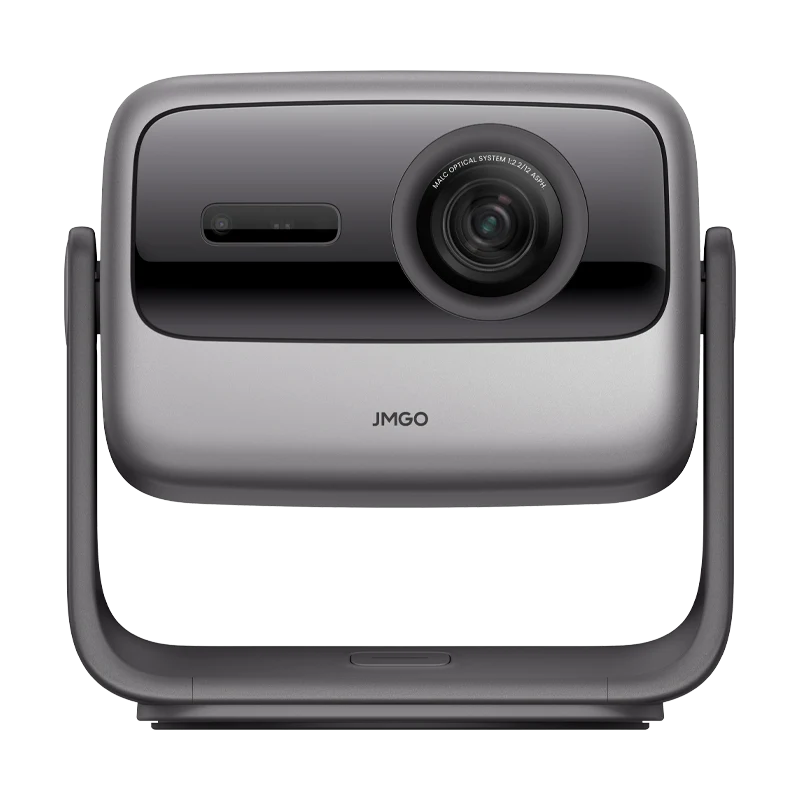
JMGO Brightness Correction: N1 Ultra, N1 Pro & U2 Explained
JMGO settled a brightness-labeling dispute with Epson in December 2024, agreeing to correct advertised lumens figures across several models — corrections that took effect and continued shaping JMGO’s marketing throughout 2025.
What Changed
- JMGO N1 Ultra: Corrected from a claimed 4,000 lumens down to 1,900 ISO lumens
- JMGO N1 Pro: Corrected from 3,200 lumens down to 1,300 ISO lumens
- JMGO U2 (discontinued): Corrected from 2,400 lumens down to 1,400 ISO lumens
Why This Happened
Epson argued that JMGO, like several other competing brands, had been advertising brightness using non-standardized or misleading metrics rather than ISO 21118 — the internationally recognized standard (also adopted by ANSI) for measuring a projector’s actual white brightness output. As part of the settlement, JMGO committed to using ISO 21118 for all future brightness claims across its lineup.
What This Means If You Own or Are Considering a JMGO Projector
If you’re comparing a JMGO model’s brightness figure against other ISO-rated projectors, you can now do so directly — the corrected figures reflect the same measurement standard used by most major brands. If you see older marketing material or retail listings still showing the pre-correction figures, treat the corrected ISO lumens numbers above as the accurate reference.
The Bigger Picture
This settlement was part of a broader industry-wide shift toward standardized brightness claims throughout 2025, with similar corrections later affecting AWOL Vision and AAXA. If you’re shopping for any budget or mid-range projector, look specifically for “ISO lumens” or “ANSI lumens” in the spec sheet — brands still using unlabeled “Lumens” or “CVIA lumens” figures haven’t necessarily been held to the same standard yet.
Worth keeping in mind now that JMGO has just launched its brightest projector yet, the IRIS Ultra Max, claiming 6,500 ISO lumens — a figure that, like the corrected numbers above, is worth verifying against independent measurement once reviews land.