JVC CEDIA 2026 Preview: 8K D-ILA DLA-NZ900 and DLA-NZ800
JVC has confirmed it will run two full home theater demonstrations at CEDIA Expo 2026, Booth #3511, each built around a different flagship projector from its D-ILA lineup. CEDIA Expo runs September 1–4, 2026, at the Colorado Convention Center in Denver, and this is JVC’s clearest preview yet of how it wants its 8K projectors experienced in a real room rather than a bright trade-show hall.
What Is D-ILA, and Why Does JVC Keep Using It?
D-ILA stands for Direct-Drive Image Light Amplifier — it’s JVC’s proprietary take on LCoS (Liquid Crystal on Silicon) projection technology. Unlike the single-chip DLP projectors that dominate the portable and mid-range market, D-ILA uses three separate imaging chips, one each for red, green, and blue light. The upside is exceptional native contrast and color accuracy, which is why JVC’s projectors have built a reputation among home theater purists over the past two decades. The downside is that these projectors tend to cost more and prioritize picture depth over raw brightness compared to laser-DLP rivals.
The Cinematic Demo — JVC DLA-NZ900
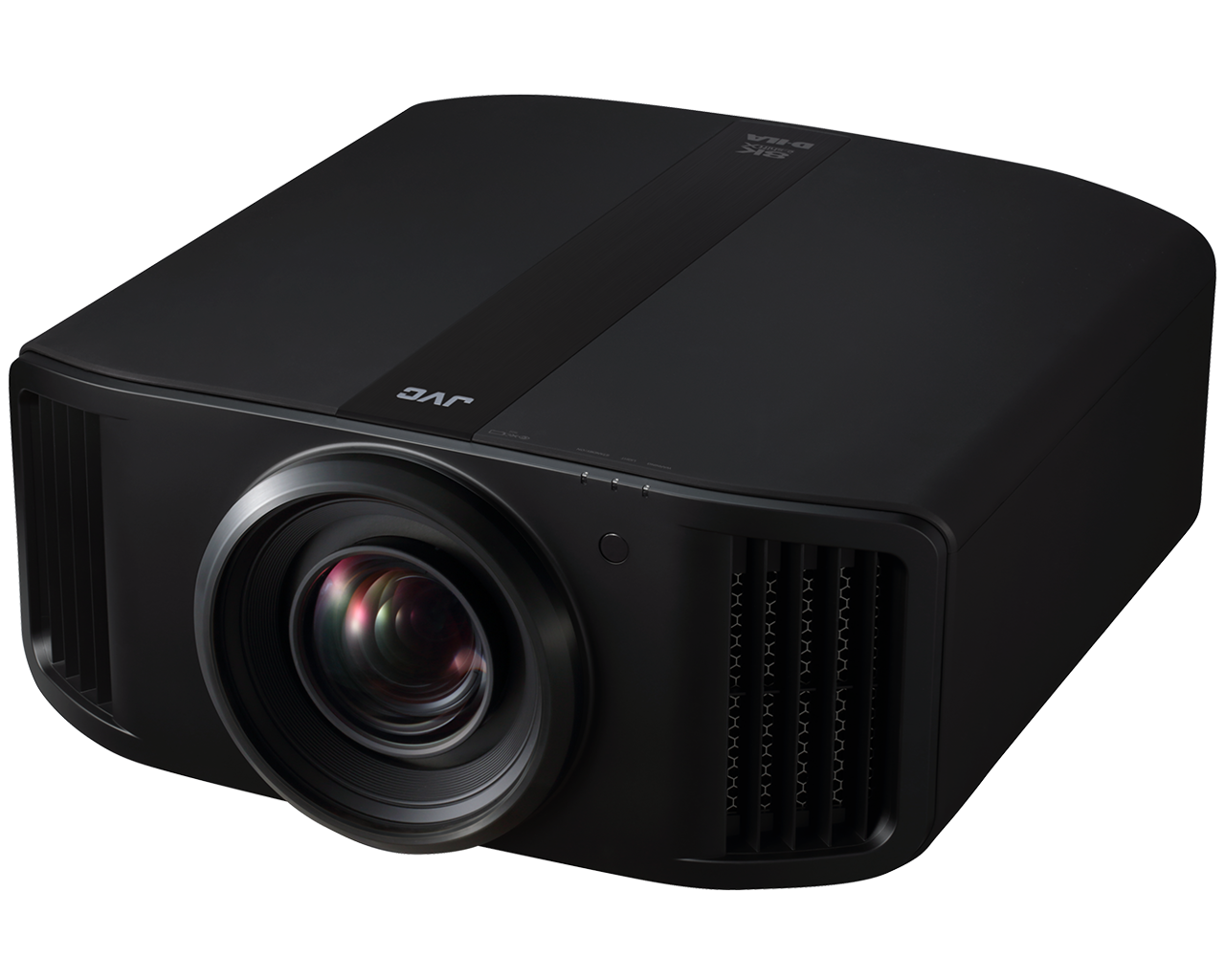
The main theater demonstration will run the DLA-NZ900, JVC’s flagship 8K D-ILA projector, on a 165-inch Stewart Filmscreen StreamPro multi-masking screen. The NZ900 uses JVC’s Gen3 native 4K D-ILA chipset paired with BLU-Escent laser illumination, and it’s rated for a genuinely eye-catching 150,000:1 native contrast ratio — a spec that puts it in a completely different league from consumer-grade projectors, which typically top out somewhere in the low thousands. JVC’s proprietary 8K/e-shiftX pixel-shifting technology pushes the effective on-screen pixel count past 33 million, which is how the company gets an “8K” designation despite using native 4K imaging chips underneath.
Why HDR Tone Mapping Matters
At CEDIA, this demo is specifically built to show off frame-by-frame HDR tone mapping — the projector reads the brightness data embedded in HDR content in real time and adjusts its own output scene by scene, rather than applying one static setting for an entire movie. That matters because a lot of HDR content is mastered for OLED and Mini-LED TVs, which can hit brightness levels a projector simply can’t match; smart tone mapping is what keeps highlight detail from blowing out or crushing shadows during dark scenes.
The Gaming Demo — JVC DLA-NZ800
The second theater will pair the DLA-NZ800 with a 100-inch Screen Innovations Slate screen, and it’s aimed squarely at gamers rather than cinephiles.
Auto Low Latency Mode Explained
The NZ800 shares the same 8K/e-shiftX processing as its bigger sibling but is tuned for native 4K/120p gaming with Auto Low Latency Mode (ALLM), which automatically detects a game console or PC and drops the projector into a lower-latency picture mode. JVC is running a live soccer gaming demo on the floor, using the setup to demonstrate 100,000:1 native contrast alongside genuinely responsive large-screen gaming — something that’s historically been a weak spot for high-contrast LCoS projectors.
JVC Pricing Context
Neither of these is a brand-new model — the NZ900 and NZ800 have been on the market with MSRPs in the $25,999–$32,999 and roughly $15,999 range respectively, depending on retailer and bundle. What’s new is the specific CEDIA demonstration pairing them with premium Stewart Filmscreen and Screen Innovations screens, which gives shoppers a rare chance to see both projectors running full HDR and gaming content side by side in a controlled environment rather than a bright trade-show hall.
Who Should Pay Attention
If you’re building a dedicated, blacked-out theater room, the DLA-NZ900 demo is the one to watch — its contrast ratio genuinely matters in a room with zero ambient light. If you also want to game on the big screen without giving up JVC’s signature black levels, the DLA-NZ800 pairing is the more relevant reference point. See how these stack up against Epson and Christie’s CEDIA showcases in our full projector comparison, or check our CEDIA Expo 2026 overview for dates and the rest of the show preview.
Frequently Asked Questions
Is the JVC DLA-NZ900 a New Projector?
No. The DLA-NZ900 is an existing flagship model in JVC’s D-ILA lineup. What’s new is JVC’s confirmed CEDIA 2026 demonstration pairing it with a 165-inch Stewart Filmscreen StreamPro screen to showcase HDR tone mapping performance.
What Does “D-ILA” Mean, and How Is It Different From DLP?
D-ILA (Direct-Drive Image Light Amplifier) is JVC’s proprietary LCoS projection technology, using three imaging chips for superior native contrast and color depth. DLP (Digital Light Processing) projectors typically use one or three DMD chips with micromirrors, generally favoring brightness and cost-efficiency over ultimate black-level depth.
Where Can I See the DLA-NZ900 and DLA-NZ800 in Person?
JVC will be at Booth #3511 at CEDIA Expo 2026, running September 1–4 at the Colorado Convention Center in Denver.
Conclusion
JVC’s CEDIA 2026 showcase isn’t about new hardware — it’s about proving how its existing 8K D-ILA flagships perform in real cinema and gaming conditions. For buyers weighing a dedicated theater build, this dual-theater demo is worth tracking closely once the show floor opens.